


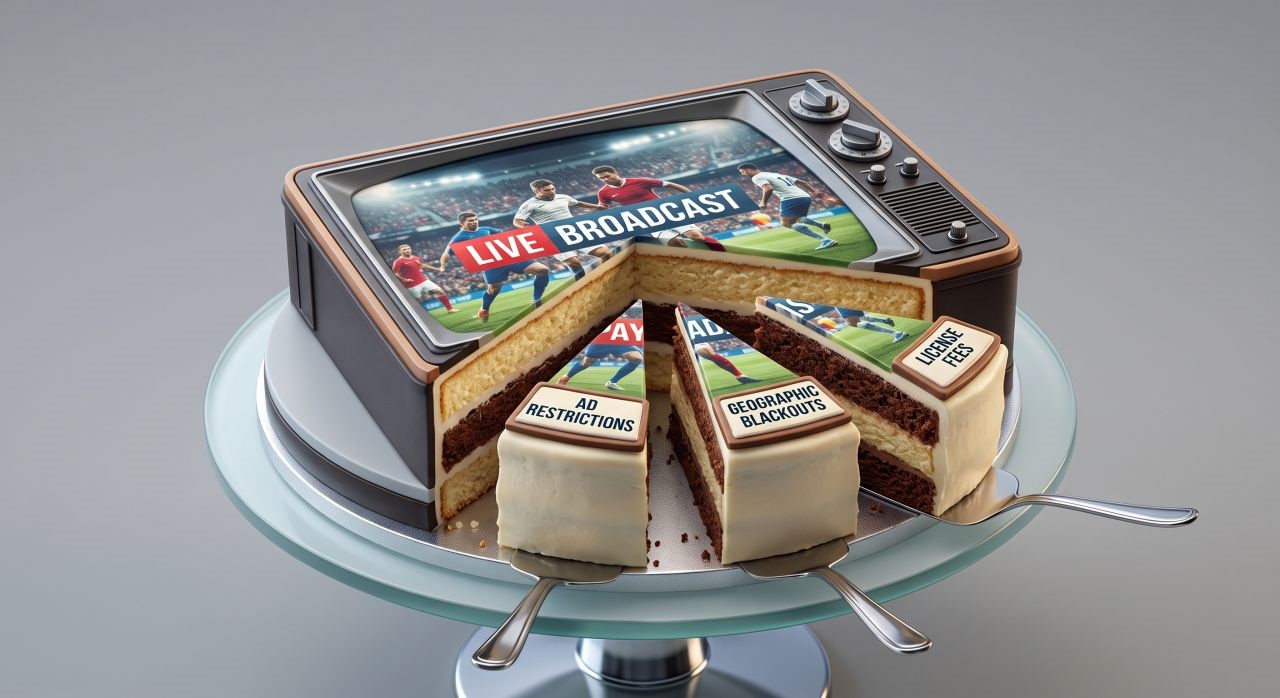
Death by a Thousand Slices
You can’t have your cake and eat it too. When viewer expectations and market economics collide, something always gives.
As sport fans, we want it all. Every game live, better production every season, more angles, better commentary. We want zero interruptions and we especially don’t want another gambling ad shoved into the pre-game or halftime. And we don’t want to pay a cent more for any of it.
Pick two. That’s usually how it goes.
Better coverage costs money. The NRL just locked in a $5.3 billion, seven-year rights deal with Nine and Foxtel (2028–2034), on top of the AFL’s $4.5 billion deal a few years earlier. That’s the price of the broadcasts we keep asking to get bigger and better.
Fewer ads costs money too, just differently. Federal Parliament passed the Interactive Gambling Amendment (Gambling Reform) Bill 2026 last week: no betting ads from fifteen minutes before a live match to five minutes after the final whistle, no athletes or influencers spruiking odds, no more betting logos at the venue or on the jersey. It’s a reform most fans have wanted for years. It also switches off one of the biggest ad categories that’s historically helped pay for the coverage we love.
Same story everywhere. The UK’s had a whistle-to-whistle ban since 2019, and this season Premier League clubs are pulling betting logos off their shirt fronts for good. Thats about £60 million a year gone. Ontario banned athletes and celebrities from iGaming ads back in 2024. Belgium, the Netherlands and France all tightened their rules again around this year’s World Cup. Even the US, still the loosest market going, is starting to feel it. Prop-bet bans creeping through college sport, states hiking betting taxes, sweepstakes operators under pressure. Nobody stays a free-for-all forever.
So: better coverage, fewer ads, same price. Pick two, because the money to fund all three at once doesn’t exist.
Traditionally, that leaves two doors. Door one: the ad load doesn’t shrink, it just changes shape; louder, less relevant categories filling the gap left by gambling dollars. Door two: the paywall gets steeper, because if advertising can’t fully carry a multi-billion-dollar rights bill, the subscription has to.
Or door three: new technology that opens up an entirely new revenue stream for broadcasters. New inventory, new formats, new ways to attract advertising dollars without more ads in the broadcast or a bigger bill for viewers. That’s the door I find most interesting. It’s also basically what we’re building at allt.